Preparation beats strategy: the McSweeney principle for marketers
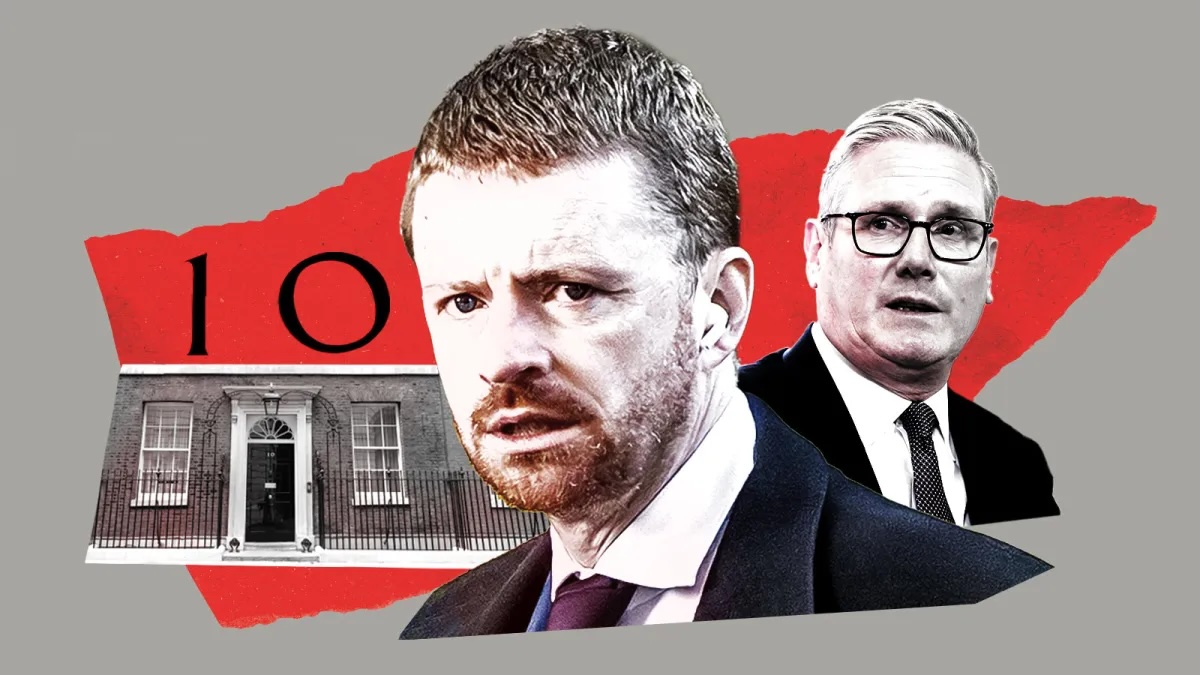
I read an interview in the FT today with Morgan McSweeney, Keir Starmer’s former chief advisor. It was a soft piece (in my opinion) but one quote really stood out to me. McSweeney was asked whether strategy or preparation mattered more to political success. His answer was not what you’d expect from a strategist:
“Preparation matters more than strategy. I’d like to tell you it’s the other way around, but I think preparation counts more.”
Brave thing for a strategist to admit. It’s the equivalent of a chef saying the secret to a good restaurant is mostly the washing up.
It’s also, annoyingly, correct. And anyone who has ever sat in a pitch meeting watching a beautiful strategy slide collapse under the first hard question already knows it.
The strategy trap
A strategy document can be beautiful and still fail completely, because a strategy is only ever a hypothesis about what will happen when it meets reality. What determines the outcome is everything underneath it: whether the data is right, whether the team knows what they’re doing on the day, whether the brief was clear enough that nobody has to guess.
We see this pattern constantly.
- The campaign plan looks flawless on paper: The channels are right, the messaging is sharp, the calendar is mapped out weeks ahead, and it still underperforms because nobody thought to check whether the landing page converts.
- The pitch has a strong idea: But the team walks into the room without having rehearsed the client’s obvious objections, so the whole thing derails on the first difficult question.
- The content calendar is clever: But the research behind each piece was rushed, so what gets published is generic enough that no reader, human or AI, has any reason to believe a word of it.
In every case, the strategy wasn’t the problem. The homework was thin.
What preparation looks like
Preparation doesn’t photograph well. Nobody puts “checked the numbers twice” on a slide, which is probably why it gets skipped in favour of another round of strategy polishing. In content and marketing terms, it tends to look like this:
- Knowing the client’s numbers: Not a vague sense of their market, but their conversion rates, their sales cycle and the specific objections their prospects raise.
- Rehearsing the awkward conversation before it happens: The pricing pushback, the scope question, the moment a client asks why something isn’t working yet.
- Having proof points ready, not promised: A case study with the figures checked and sourced, not a claim you’ll be scrambling to defend under questioning.
- Building in time to check the work: Reading it back as a sceptical stranger would, not as the person who already thinks it’s brilliant.
None of that is strategic thinking. All of it is what allows strategic thinking to survive contact with a client, in a meeting, with money on the table.
The bit nobody wants to hear
It’s far more satisfying to be the person with the big idea than the person who checked the spreadsheet twice. Strategy gets the applause. Preparation gets forgotten right up until it’s the only thing standing between a pitch and a car crash.
McSweeney’s point holds here just as well as it does in Westminster. A mediocre plan, properly prepared for, will beat a brilliant plan nobody got ready for. It’s not glamorous. It’s just true.
So next time the instinct is to spend another hour refining the strategy deck, ask a harder question first: has anyone checked whether the fundamentals underneath it will hold?