Your Marketing Plan Is Not a Strategy
Most B2B founders with no clear marketing plan think the problem is that they need one. So they write one: update the website, post on LinkedIn twice a week, send a newsletter. It gets shared with the team and feels like progress.
It isn’t progress. It’s a to-do list.
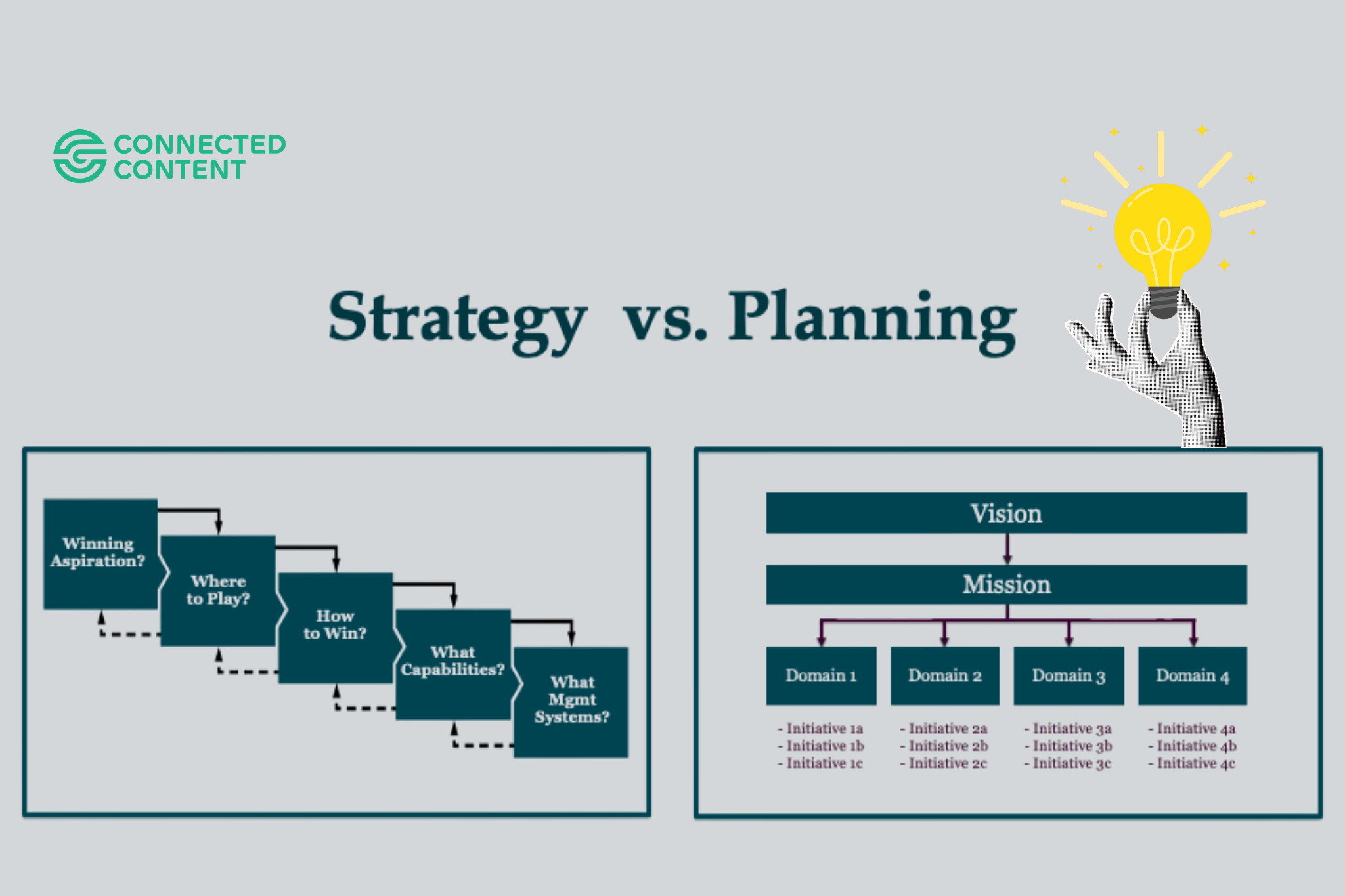
What is the difference between a marketing plan and a strategy?
A plan is a list of tasks. A strategy is a set of choices about where to compete, who to target and why you believe those choices will produce a specific outcome. The plan says what to do. The strategy says why.
Roger Martin, one of the most respected thinkers in business strategy, writes about this on Medium and is worth a follow. He argues that planning is comfortable because it deals with things you can control: budgets, timelines, task lists. Strategy is uncomfortable because you are placing a bet on choices that might not work.
That discomfort is why most founders default to planning. A list of activities feels like control. A strategy that says “this audience, this message, these two channels, because we believe it will produce this result” feels exposed. It might be wrong. But without it, you have no way of knowing whether your marketing is working, or why.
What McDonald’s can teach you about marketing strategy
McDonald’s isn’t successful because the food is exceptional. It’s successful because the system is consistent: every restaurant, every country, every time.
The same thing separates content strategy that drives results from content that fills space. Most B2B businesses market in bursts: a post here, an email there, a case study when someone remembers. There’s no system underneath it.
A strategy gives you that system: what to produce, for whom, through which channels and to what end. The plan sits beneath it. Without the strategy, it’s a list of things that may or may not matter.
Why this matters for B2B founders now
Boards are asking harder questions. “What are we getting for our marketing spend?” isn’t answered by a list of completed activities. It’s answered by commercial outcomes: leads generated, pipeline influenced, deals supported.
Martin makes another point worth borrowing. Strategy is an integrated set of choices that depend on each other, not a buffet where you pick the bits you fancy. Your audience should shape your channels, your channels should shape your content, and your content should support your sales process. If any of those links are missing, you’re planning, not strategising.
How to move from a plan to a strategy
Start with four questions:
- Who specifically are we trying to reach, and why?
- What do we believe will make them choose us over the alternatives?
- Which two or three channels give us the best chance of reaching them consistently?
- What does success look like in 90 days, and how will we measure it?
If you can’t answer all four, there’s work to do before the next blog post. A marketing system that runs every week is a great thing to have, but only if it’s running in the right direction.
The businesses that grow are not the ones with the longest task list. They’re the ones that made a few clear choices and stuck with them long enough to find out if they were right.
That’s strategy. Everything else is just keeping busy.
If you suspect your marketing is a lot of activity without much direction, book a free 20-minute Connect Call. We’ll talk through what you’re doing, what seems to be working and where I’d start.